Honor and Respect
The pillars of a good man’s character
Honor and respect are at the core of a every man’s character. Honor builds trust, respect, and a reputation that cannot be bought.
Honor between men is about keeping your word, sealing a business transaction with a handshake, standing firm in your principles, and treating other men with dignity (except those who have demonstrated that they do not deserve it).
An honorable man does not try to sleep with another mans woman, or steal his property.
Those men who are truly deemed honorable by other men are referred to in the highest praise among men, which is simply: “He´s a good man”. If other men say that about you, then you truly respected and honored.
1. Honor is the moral compass by which a man must navigate his life.
Honor and respect is not merely about reputation and what others think of you, but about integrity: what you truly are at your core. As C.S. Lewis once wrote, “Integrity is doing the right thing, even when no one is watching.” A man’s honor is his unshakable commitment to truth, loyalty, and justice, regardless of convenience or temptation.
2. The code of honor among men
Honor between men is built on mutual respect, trust, and accountability. It is the unspoken law that binds honorable men, one that overrides legal contracts and thrives on the strength of a man’s word. This may seem old fashioned, but being a man is old fashioned and does not change through the course of time and fashion. A man is a man, and the best of men have honor for themselves.
A Man’s Word is His Bond
In an age where promises are often broken for profit, an honorable man stands by his commitments. The ancient Stoic philosopher Epictetus taught, “First learn the meaning of what you say, and then speak.” A handshake once sealed fortunes in the days of merchants and frontiersmen, and even today, men who honor their word earn lasting respect. The legendary investor Warren Buffett once said, “It takes 20 years to build a reputation and five minutes to ruin it.”
Loyalty to Principles Over Convenience
A man without principles is a ship without a rudder. Theodore Roosevelt, a paragon of masculine virtue, declared, “Courtesy is as much a mark of a gentleman as courage.”
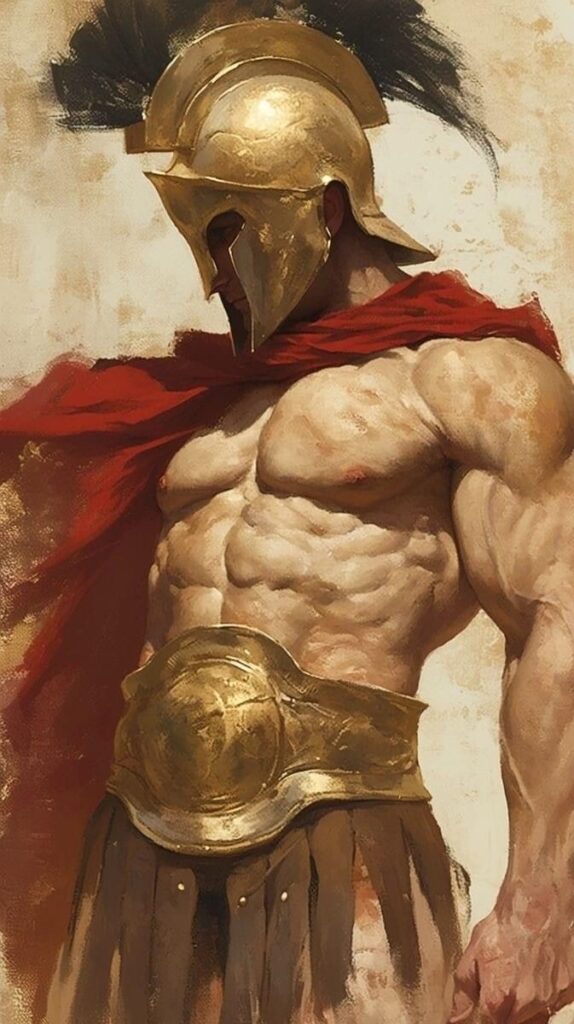
An honorable man does not bend his morals for gain, nor does he betray allies when it suits him. He stands firm, like a Roman centurion at his post, unwavering even in the face of adversity.
Respect for Others—And the Wisdom to Withhold It When Necessary
Honor demands that a man treats others with dignity, but it also requires discernment.
Not all men deserve respect—only those who have earned it. As Robert E. Lee famously said, “The gentleman does not needlessly and unnecessarily remind an offender of a wrong he may have committed against him. He cannot only forgive, he can forget.” Yet, Lee also understood that some men forfeit respect through deceit, cowardice, or betrayal.
3. The Ultimate Praise: “He’s a Good Man”
When a man’s peers speak of him in simple, weighty terms—“He’s a good man”—it carries more power than any title or wealth.
This phrase is the distilled essence of honor, echoing through history in the legacies of men like George Washington, who was revered not for his victories alone but for his unyielding character. Shakespeare’s Henry V embodied this ideal, declaring, “If it be a sin to covet honor, I am the most offending soul alive.”
4. The Consequences of Dishonor
A man who lacks honor may gain temporary wealth or power, but he will never earn true respect. The Greeks called such men “kakoi” (base men), unworthy of trust or fellowship.
In The Iliad, Achilles’ rage was not just over a stolen prize but over the dishonor done to him by Agamemnon. Likewise, in modern times, men who betray their friends, cheat in business, or seduce another man’s woman are marked by their dishonor—even if they escape immediate consequences.
5. Conclusion: The Legacy of an Honorable Man
Honor is not inherited; it is forged through daily choices.
It is the resolve to do right when wrong is easier, to speak truth when lies are profitable, and to stand firm when others falter. As the medieval knights lived by “noblesse oblige” (nobility obliges), so too must modern men uphold their duty to integrity.
In the end, a man’s honor outlives him. As the Latin proverb goes: “Acta non verba“—Deeds, not words.
When others remember you as “a good man,” you have achieved what kings and conquerors often fail to: a legacy of respect that echoes through time.
A.G.Munson
Read also: https://norse-and-interesting.com/top-5-things-all-men-want/